
Identifying Gaps in Standard Product Ranges
Standard plastic products are designed to meet common storage, handling, and laboratory requirements. However, many industries and specialised environments require solutions that go beyond standard sizes, shapes, or material configurations.
In laboratories, industrial facilities, manufacturing plants, and specialised processing environments, unique operational requirements often demand customised products that better suit a specific application.
This is where custom plastic products and converted plastic solutions become valuable. Instead of forcing a standard product to fit a specialised process, businesses can work with solutions designed around their actual operational needs.
For companies operating in South Africa’s laboratory and industrial sectors, flexibility in plastic product design can improve efficiency, safety, and overall workflow performance.
The Limitations of Standard Plastic Products
Standard products work well for many applications, but they are not always suitable for every environment or process.
Some common limitations include:
- Incorrect sizing for specialised storage requirements
- Incompatibility with existing equipment or workflows
- Insufficient chemical resistance
- Limited handling efficiency
- Poor fit for transport or packaging requirements
In industrial and laboratory environments, these limitations can lead to inefficiencies, wasted time, and operational frustration.
When products are not properly matched to the application, businesses often need to modify workflows around the product instead of using a product that supports the workflow.
Designing Practical Plastic Solutions for Specific Applications
Custom and converted plastic products are developed to address specific operational challenges.
Rather than relying on a one-size-fits-all approach, customised solutions focus on:
- Application-specific functionality
- Improved handling and usability
- Material compatibility
- Storage efficiency
- Workflow integration
Customisation may involve adjustments to:
- Product dimensions
- Material selection
- Shape and design
- Openings and closures
- Structural reinforcement
The goal is to create a practical solution that performs reliably within the intended environment.
Application Flexibility Across Industries
Custom plastic products are used across a wide range of sectors where standard products may not meet operational requirements.
Examples include:
Laboratory Environments
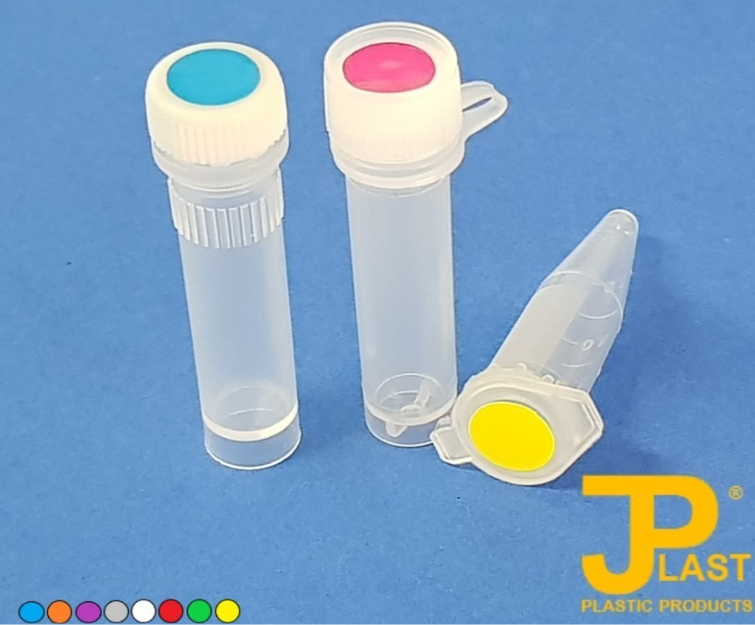
Laboratories may require custom laboratory containers that support:
- Specific sample volumes
- Organised storage systems
- Unique handling requirements
Industrial Applications
Industrial environments may require converted plastic solutions that improve:
- Product transport
- Storage efficiency
- Chemical handling
- Manufacturing workflows
Packaging and Handling Systems
Customised plastic products can also support packaging and logistics operations by improving product protection and handling efficiency.
The flexibility of plastic materials allows products to be adapted for a broad range of applications.
Material Selection and Performance
Selecting the correct material is one of the most important parts of designing custom plastic products.
Different plastics offer different properties, including:
- Chemical resistance
- Temperature tolerance
- Structural strength
- Flexibility
- Impact resistance
Materials commonly used include:
- Polypropylene (PP)
- High Density Polyethylene (HDPE)
- Low Density Polyethylene (LDPE)
- PTFE (Teflon)
Matching the material to the application ensures reliable long-term performance.
The Importance of Collaboration in Custom Plastic Solutions
Effective custom plastic solutions are developed through collaboration between the supplier and the customer.
This process involves understanding:
- The intended application
- Environmental conditions
- Storage and handling requirements
- Existing operational challenges
By working closely with customers, plastic suppliers can recommend practical solutions that improve usability and efficiency.
Open communication is essential for ensuring the final product meets operational expectations.
Benefits of Custom and Converted Plastic Products
Businesses that invest in custom plastic solutions often benefit from:
- Improved workflow efficiency
- Better product compatibility
- Reduced handling challenges
- Increased durability
- Enhanced operational reliability
Instead of adapting operations to standard products, organisations can use products designed specifically for their needs.
Why Choose J Plast for Custom Plastic Solutions
J Plast supplies converted and custom-built plastic products designed around customer requirements across laboratory and industrial sectors.
With experience in plastic materials and product functionality, J Plast provides practical solutions that support efficient storage, handling, and operational performance.
By focusing on communication, material knowledge, and customer requirements, J Plast helps businesses find plastic solutions that work in real-world environments.
“Custom plastic solutions help businesses work smarter, safer, and more efficiently.”