
Why Durable Plastic Storage Matters in Industrial Environments
Efficient storage and material handling are essential for any warehouse, manufacturing facility, or logistics operation. Without reliable storage solutions, businesses often face disorganisation, damaged products, and inefficient workflows.
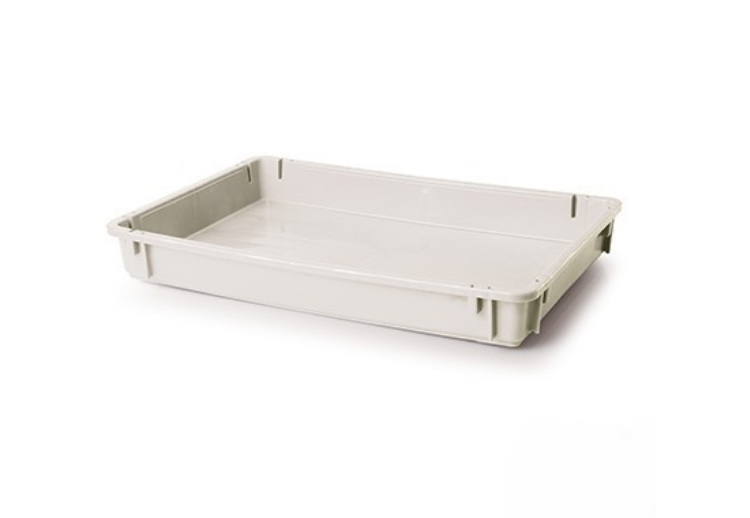
Plastic crates and trays have become a preferred storage solution across many industries due to their durability, versatility, and practicality. Unlike traditional storage materials such as cardboard or wood, plastic offers long-term reliability in demanding environments.
For industrial facilities in South Africa, plastic crates and trays provide an efficient way to organise, transport, and protect products throughout the supply chain.
Common Storage Challenges in Industrial Environments
Industrial environments handle a wide variety of materials and products. Without structured storage systems, businesses may experience:
- Product damage during transport
- Disorganised storage areas
- Inefficient workflows
- Increased handling time
- Safety risks in warehouses
Storage systems must therefore support both organisation and durability.
Plastic crates and trays help address these challenges by offering structured, reusable storage solutions.
Benefits of Plastic Over Traditional Storage Materials
Plastic storage containers offer several advantages compared with cardboard, metal, or wooden storage systems.
Key benefits include:
Durability
Plastic crates and trays are designed to withstand repeated handling and heavy loads without losing structural strength.
Moisture Resistance
Unlike cardboard, plastic does not absorb moisture. This makes it suitable for environments where liquids or humidity may be present.
Reusability
Plastic storage solutions are long-lasting and can be reused repeatedly, reducing long-term replacement costs.
Easy Cleaning
Plastic crates and trays are easier to clean and maintain, which is particularly important in environments where hygiene is required.
Load Capacity and Structural Strength
Industrial storage containers must be capable of supporting heavy loads while maintaining their shape and integrity.
Plastic crates and trays are manufactured to provide reliable load-bearing capacity while remaining lightweight enough for practical handling.
This balance between strength and usability makes plastic an ideal storage material for warehouses, manufacturing plants, and logistics operations.
Improving Organisation, Safety and Workflow Efficiency
Well-organised storage systems directly improve operational efficiency.
Plastic crates and trays help businesses:
- Organise materials and products clearly
- Reduce time spent searching for items
- Improve transport between workstations
- Protect products during handling
Improved organisation also enhances workplace safety by reducing clutter and minimising the risk of accidents.
Plastic Storage in Logistics and Supply Chains
In logistics and distribution environments, plastic crates and trays play an important role in maintaining efficient movement of goods.
They allow for:
- Secure product transport
- Stackable storage systems
- Efficient warehouse layout
- Protection of fragile items
These features help streamline supply chain operations.
Long-Term Cost Benefits
Although plastic storage systems may have a higher initial cost compared with temporary alternatives, they offer significant long-term savings.
Because plastic crates and trays are durable and reusable, businesses benefit from:
- Reduced replacement costs
- Lower product damage rates
- Improved operational efficiency
Over time, these benefits contribute to a more reliable storage infrastructure.
Why Choose J Plast for Plastic Storage Solutions
J Plast supplies a range of plastic products designed for reliable storage, handling, and organisation across laboratory, medical, and industrial environments.
With knowledge of plastic materials and their performance characteristics, J Plast helps businesses select practical storage solutions that support operational efficiency.
“Strong storage systems support stronger operations.”