
The Hidden Costs of Incorrect Material Choice
Plastic products are used throughout laboratory, industrial, medical, and storage environments because they are versatile, durable, and cost-effective. However, selecting the wrong plastic material can lead to a range of problems that affect safety, performance, and operational efficiency.
Many organisations focus on product size, shape, or cost without fully considering the material itself. Yet material selection often determines whether a product performs reliably over the long term.
Understanding how different plastics behave under various conditions is essential for reducing risk and improving operational outcomes.
Common Plastic Selection Errors
One of the most common mistakes is assuming all plastics perform similarly.
In reality, different plastics have unique characteristics relating to:
- Chemical resistance
- Temperature tolerance
- Flexibility
- Impact strength
- Durability
Selecting a product without considering these factors can result in poor performance and premature failure.
Common selection errors include:
- Choosing based solely on price
- Ignoring chemical compatibility
- Overlooking temperature exposure
- Using the wrong material for handling conditions
- Failing to consider long-term usage requirements
These mistakes can create avoidable operational challenges.
Risk Scenarios Caused by Incorrect Material Selection
When plastic materials are not suited to the application, several risks may arise.
Chemical Exposure Risks
Some chemicals can cause plastics to:
- Crack
- Swell
- Soften
- Degrade over time
This can compromise containment and create safety concerns.
Temperature-Related Risks
Exposure to temperatures outside the material’s capabilities may result in:
- Warping
- Brittleness
- Structural failure
Temperature resistance should always be considered during product selection.
Handling and Impact Risks
In industrial environments, repeated handling can place significant stress on plastic products.
Materials lacking sufficient durability may fail prematurely under regular use.
Building Safer and More Reliable Workflows
Selecting the correct plastic material helps create safer, more efficient workflows.
Benefits include:
- Reduced risk of leaks and failures
- Improved operational reliability
- Longer product lifespan
- Better handling performance
- Increased safety for personnel
Material selection should therefore be viewed as part of overall risk management rather than simply a purchasing decision.
Understanding Material Evaluation
Evaluating plastic materials requires consideration of several factors.
Chemical Compatibility
The material must be suitable for the substances it will contact.
Temperature Conditions
Heat and cold exposure influence material performance.
Mechanical Requirements
Impact resistance, rigidity, and flexibility must align with the intended application.
Environmental Factors
Storage conditions, moisture exposure, and handling frequency should all be considered.
A comprehensive evaluation helps identify the most appropriate solution.
Commonly Used Plastic Materials
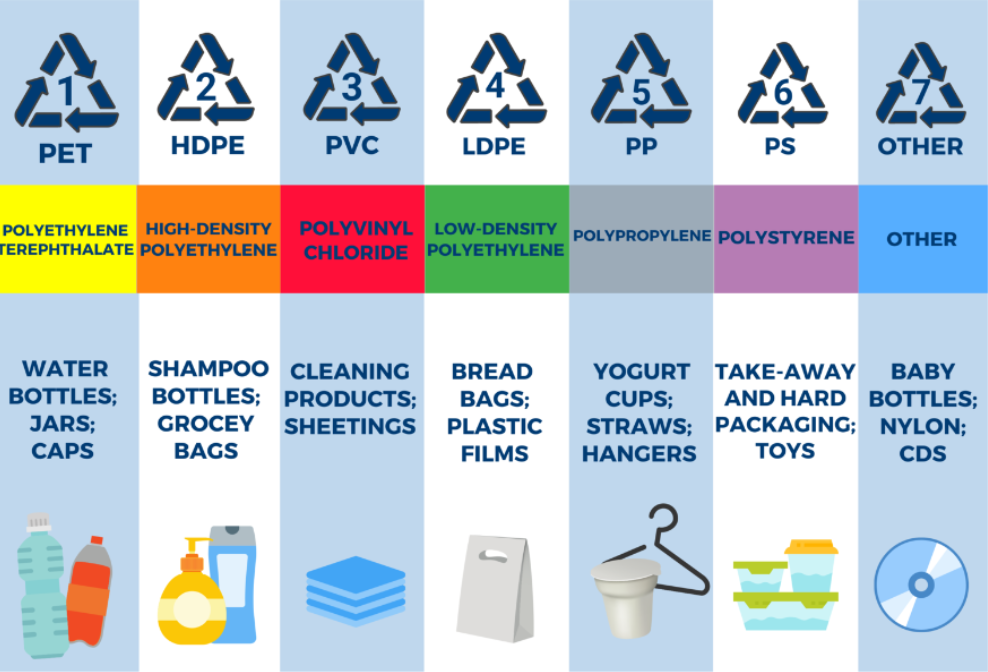
Several plastics are widely used in laboratory and industrial environments.
Polypropylene (PP)
Known for:
- Good chemical resistance
- Higher temperature tolerance
- Durability
High Density Polyethylene (HDPE)
Known for:
- Excellent chemical resistance
- Impact strength
- Moisture resistance
Low Density Polyethylene (LDPE)
Known for:
- Flexibility
- Lightweight design
- Squeeze capability
PTFE (Teflon)
Known for:
- Exceptional chemical resistance
- High-temperature tolerance
- Non-reactive properties
Each material serves a specific purpose depending on operational requirements.
Cost Implications of Poor Material Choices
Incorrect material selection often leads to hidden costs.
These may include:
- Increased replacement frequency
- Product failures
- Operational downtime
- Damaged materials or products
- Additional labour requirements
Investing time in material evaluation helps avoid unnecessary expenses.
Long-Term Performance and Reliability
Reliable plastic products support long-term operational success.
When the correct material is selected, organisations benefit from:
- Consistent performance
- Reduced maintenance requirements
- Improved safety
- Better return on investment
Long-term reliability often depends more on material suitability than on the product itself.
Why Choose J Plast for Plastic Product Expertise
J Plast supplies plastic products manufactured from carefully selected materials including PP, HDPE, LDPE, and PTFE.
With extensive knowledge of plastic material properties, J Plast assists customers in selecting products that match their application requirements and performance expectations.
Whether for laboratory, industrial, storage, or specialised applications, J Plast focuses on practical solutions backed by material expertise.
“The right plastic material reduces risk before problems occur.”