
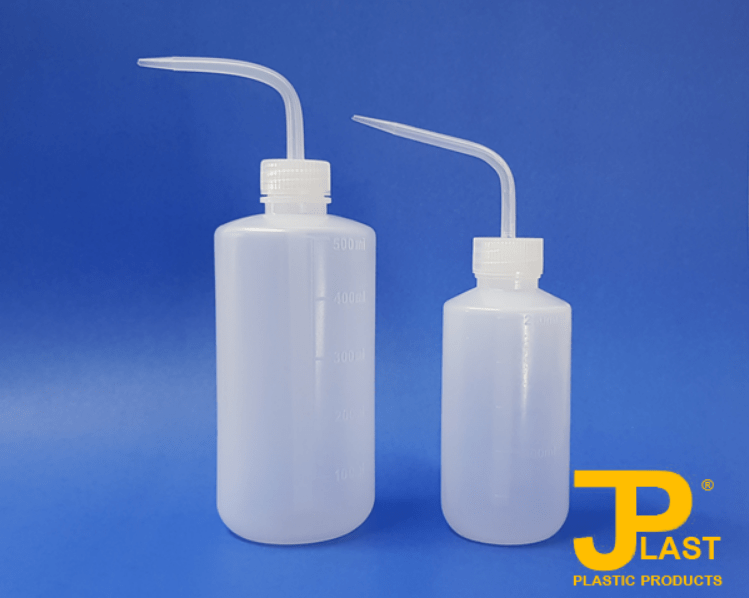
Why Choosing the Right Laboratory Plastic Bottle Matters
Laboratory plastic bottles are used daily in medical, research, industrial, and testing environments. Despite their simplicity, choosing the wrong bottle can lead to chemical degradation, leakage, contamination, or reduced product lifespan.
Selecting the correct laboratory plastic bottle depends on more than size alone. Material type, chemical compatibility, temperature exposure, and sealing requirements all influence performance.
For laboratories and industrial facilities in South Africa, understanding how to choose the right plastic lab bottles ensures safety, reliability, and cost efficiency.
Step 1: Understand Your Application
Before selecting a bottle, define how it will be used.
Ask the following:
- What substance will be stored?
- Is it acidic, alkaline, or solvent-based?
- Will the bottle be exposed to heat or freezing conditions?
- Is it for long-term storage or temporary transfer?
- Will it be reused?
Clear answers to these questions narrow down suitable material options.
Step 2: Select the Correct Material
Different plastics offer different performance characteristics. The most commonly used materials for laboratory plastic bottles include:
Polypropylene (PP)
Polypropylene lab bottles are widely used due to:
- Good chemical resistance
- High melting point
- Strength and rigidity
- Suitability for moderate heat exposure
PP is ideal for reagent storage, buffer solutions, and general laboratory applications.
High Density Polyethylene (HDPE)
HDPE laboratory bottles offer:
- Excellent chemical resistance
- High impact strength
- Moisture resistance
- Durability for heavy-duty applications
HDPE bottles are commonly used for corrosive substances and bulk chemical storage.
Low Density Polyethylene (LDPE)
LDPE bottles provide:
- Flexibility
- Squeeze capability
- Good chemical compatibility
They are often selected for dispensing applications or where controlled pouring is required.
Step 3: Consider Temperature Requirements
Temperature exposure significantly impacts bottle performance.
High temperatures can cause:
- Warping
- Softening
- Structural weakening
Low temperatures can cause:
- Brittleness
- Cracking
- Reduced impact resistance
Understanding operating temperature helps prevent premature failure.
Step 4: Choose the Right Closure System
Closures are as important as the bottle itself.
Consider:
- Screw caps
- Leak-resistant sealing
- Compatibility with chemicals
- Ease of handling
Improper sealing can result in leaks, contamination, or evaporation losses.
Step 5: Plan for Storage and Handling Conditions
Laboratory plastic bottles may be stored:
- On shelving
- In cold rooms
- In freezers
- In chemical storage cabinets
Handling conditions such as repeated opening, stacking, or transport should influence material and design selection.
Common Mistakes When Choosing Laboratory Bottles
Selecting based on price alone
Ignoring chemical compatibility
Overlooking temperature exposure
Using rigid bottles where flexibility is needed
Choosing incorrect cap materials
Avoiding these mistakes reduces operational risks and replacement costs.
Benefits of Choosing the Correct Laboratory Plastic Bottle
Improved chemical resistance
Longer product lifespan
Reduced leakage risk
Safer handling
Lower long-term costs
Reliable plastic lab bottles contribute to consistent laboratory workflows.
Why Choose J Plast for Laboratory Plastic Bottles
J Plast supplies a comprehensive range of laboratory plastic bottles designed for laboratory, medical, and industrial applications. Our products are manufactured from carefully selected materials including PP, HDPE, and LDPE.
We focus on:
- Material suitability
- Reliable supply
- Consistent product quality
- Practical performance
“Selecting the right laboratory bottle protects your process from the start.”