
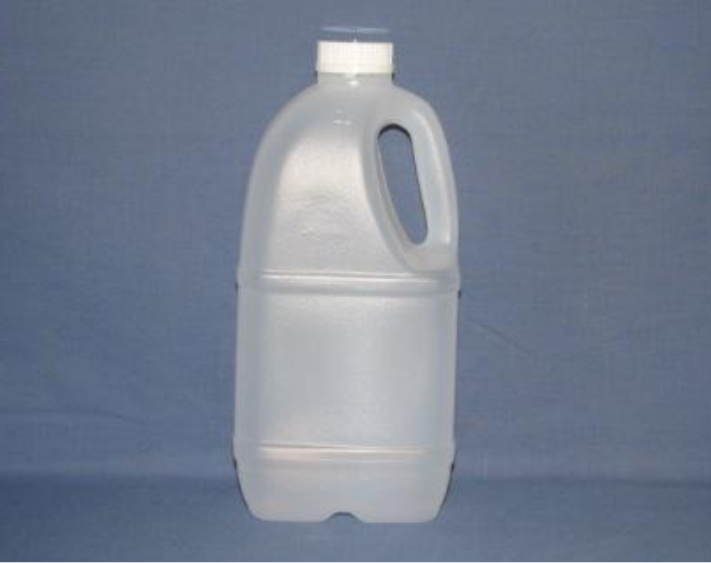
Reliable Storage Starts with the Right Bottle
Liquids are handled every day across laboratories, manufacturing facilities, industrial operations and other technical environments. Whether the contents are samples, solutions, chemicals or process liquids, the bottle used for storage and handling plays an important role in keeping operations organised and reliable.
Plastic liquid bottles are widely used because they are lightweight, practical and available in materials suited to different applications. However, selecting the right bottle requires more than choosing a convenient size. Material suitability, closure design, handling conditions and the characteristics of the liquid all need to be considered.
For businesses looking for plastic liquid bottles in South Africa, choosing a product that matches the intended application can help improve handling, reduce unnecessary risk and support more dependable day-to-day operations.
J Plast supplies a range of plain and sterile plastic bottles for laboratory, medical and general applications, backed by knowledge of different plastic materials and their properties.
Why Bottle Selection Matters
A bottle is part of the complete liquid handling process.
From filling and transporting to storage and dispensing, the bottle may be exposed to:
- Repeated handling
- Chemical contact
- Temperature changes
- Transport and movement
- Regular opening and closing
If the bottle is unsuitable for the application, it may become difficult to handle or fail to perform as expected.
Choosing an appropriate bottle helps support consistent operations from the point of filling through to final use.
Supporting Safe Handling Every Day
Industrial plastic bottles and laboratory liquid containers are frequently moved between workstations, storage areas and different stages of a process.
Good bottle selection should therefore consider practical handling requirements.
Important factors can include:
- Bottle shape
- Capacity
- Grip and ease of handling
- Neck opening
- Closure system
- Frequency of use
A bottle used for regular dispensing, for example, may have different practical requirements from one intended primarily for longer-term storage.
Understanding how the bottle will actually be used helps narrow down suitable options.
Matching the Plastic Material to the Liquid
Different plastics have different properties.
J Plast works with materials including polypropylene, HDPE and LDPE, each of which offers characteristics suited to different applications.
Polypropylene
Polypropylene, commonly referred to as PP, is used for a variety of plastic products because it combines good durability with chemical resistance.
Depending on the specific product and intended use, PP may be suitable for laboratory and general liquid handling applications where strength and rigidity are required.
High Density Polyethylene
HDPE is widely used for bottles and containers because of its durability and resistance to many substances.
Its properties can make it suitable for industrial plastic bottles where regular handling and dependable containment are important.
Low Density Polyethylene
LDPE is more flexible than HDPE and is often associated with applications where some degree of squeeze or flexibility is useful.
The most appropriate material depends on what the bottle needs to contain and the conditions under which it will be used.
Chemical Compatibility Should Be Considered
Not every plastic is suitable for every liquid.
The compatibility between the contents and the bottle material should always be considered, particularly where chemicals or specialised solutions are involved.
An unsuitable combination can potentially result in:
- Swelling
- Softening
- Cracking
- Loss of structural integrity
- Changes to the bottle over time
Chemical type, concentration, storage duration and temperature can all influence how a material performs.
For this reason, material selection should be based on the actual application rather than assuming that all plastic bottles will behave in the same way.
The Role of Closures in Liquid Handling
The closure is just as important as the bottle itself.
A bottle may be made from a suitable material, but poor closure selection can still create problems during storage or handling.
The closure should be considered according to:
- The liquid being stored
- Whether the bottle will be transported
- Frequency of opening
- Required level of containment
- Ease of use
A secure, properly fitted closure helps support reliable containment and practical everyday use.
Consider How and Where the Bottle Will Be Stored
Storage conditions can affect the performance of plastic liquid bottles.
Important considerations include:
- Storage temperature
- Exposure to light
- Length of storage
- Shelf arrangement
- Frequency of access
Bottles used in controlled laboratory environments may face different conditions from bottles used in manufacturing or industrial storage areas.
Choosing products according to the actual storage environment helps reduce avoidable issues.
Applications Across Laboratory and Industrial Environments
Plastic bottles are useful across many different working environments.
Laboratories
Laboratory liquid containers may be used for:
- Solutions
- Reagents
- Samples
- General liquid storage
Manufacturing Facilities
Industrial plastic bottles may support:
- Process liquids
- Controlled dispensing
- Storage of production materials
- Internal transfer between work areas
Medical and Technical Environments
Plastic bottles can also support organised storage and handling where dependable containment and practical use are required.
Their versatility is one of the reasons plastic bottles continue to be used across such a broad range of industries.
Reducing Handling Problems Through Better Selection
Many liquid handling problems can be avoided by choosing the correct bottle from the beginning.
Common selection mistakes include:
- Selecting according to price alone
- Ignoring material compatibility
- Choosing an unsuitable bottle capacity
- Overlooking the closure
- Failing to consider storage temperature
- Using a bottle not suited to repeated handling
A better approach is to assess the full application before making a purchasing decision.
Why Material Knowledge Adds Value
Plastic bottles may look similar, but their performance can differ considerably depending on the material used.
Knowledge of plastic properties helps buyers make better decisions based on:
- Chemical resistance
- Flexibility
- Durability
- Temperature conditions
- Intended use
This is particularly valuable for procurement teams managing products across different departments or applications.
Why Choose J Plast for Plastic Bottles
J Plast specialises in the import, manufacturing and distribution of laboratory and medical laboratory plasticware, alongside plastic bottles, accessories, containers, jars, crates and trays.
The company works with a variety of plastics and can assist customers in identifying products suited to their particular applications.
Customers can also explore the broader J Plast product offering for additional plastic solutions across laboratory, medical and industrial requirements.
“Reliable liquid handling starts with a bottle suited to the job.”
Frequently Asked Questions
1. What should I consider when choosing a plastic bottle for liquid storage?
Consider the liquid being stored, the plastic material, bottle capacity, closure type, storage temperature and how frequently the bottle will be handled.
2. Are HDPE bottles suitable for industrial applications?
HDPE is commonly used for industrial bottles because it offers good durability and resistance to many substances. Suitability should still be confirmed against the specific liquid and application.
3. What is the difference between HDPE and LDPE bottles?
HDPE is generally more rigid and impact-resistant, while LDPE is more flexible. The best option depends on the intended application.
4. Why is chemical compatibility important when selecting a plastic bottle?
An incompatible liquid can affect the plastic over time, potentially causing swelling, softening, cracking or loss of structural integrity.
5. Does J Plast supply bottles for both laboratory and industrial use?
J Plast supplies plastic bottles and other plastic products for laboratory, medical and broader applications, with material guidance available according to customer requirements.