
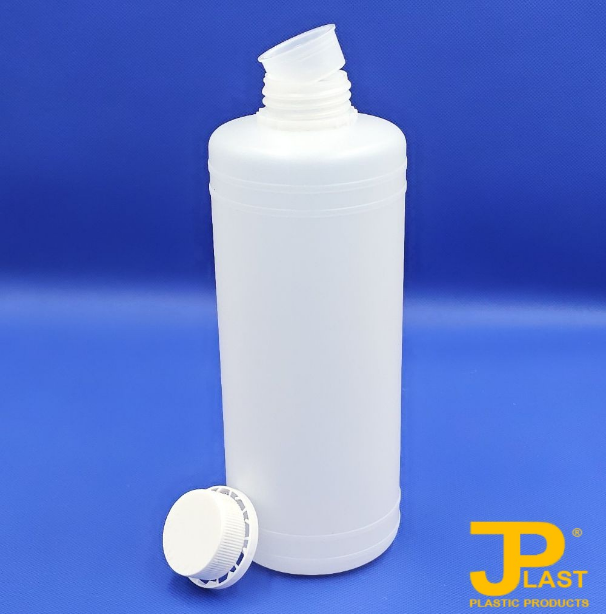
Understanding Application Requirements Before Selecting a Bottle
Plastic bottles are widely used across laboratory, industrial, and manufacturing environments. While they may appear simple, selecting the wrong bottle can lead to chemical degradation, contamination, leakage, or reduced product lifespan.
Choosing the correct plastic bottle requires careful consideration of the application, material properties, and environmental conditions in which the bottle will be used. For laboratories, industrial facilities, and processing environments in South Africa, making the right choice ensures safety, efficiency, and long-term reliability.
Plastic bottles are commonly used for storing chemicals, transporting samples, handling liquids during production, and managing materials across industrial workflows. Each application places different demands on the bottle itself.
Understanding these requirements is the first step toward selecting the most suitable option.
Overview of Plastic Bottle Types
Plastic bottles used in laboratories and industrial environments vary in size, shape, and material composition. Some are designed for precise laboratory use, while others are built to withstand more demanding industrial conditions.
Laboratory plastic bottles are typically used for:
- Sample storage
- Reagent handling
- Chemical containment
- Solution preparation
Industrial plastic bottles are often used for:
- Chemical storage
- Liquid transport
- Production processes
- Packaging and handling applications
Although the core function remains the same, the performance expectations can differ significantly depending on the environment.
Laboratory vs Industrial Bottle Requirements
Laboratory environments often require bottles that offer:
- Reliable chemical compatibility
- Controlled pouring and handling
- Secure sealing to prevent contamination
- Compatibility with laboratory workflows
Industrial environments, on the other hand, often prioritise:
- Durability under heavy handling
- Impact resistance
- Larger capacity options
- Compatibility with manufacturing processes
Understanding whether the bottle will be used primarily in laboratory testing or industrial production helps narrow down the most suitable design and material.
Material Strength, Chemical Resistance and Practical Handling
The material used to manufacture plastic bottles plays a major role in performance and durability. Different plastics offer different levels of chemical resistance, flexibility, and temperature tolerance.
Two of the most commonly used materials are polypropylene (PP) and high-density polyethylene (HDPE).
Polypropylene (PP)
Polypropylene bottles are known for their:
- Good chemical resistance
- Higher temperature tolerance
- Structural strength
- Lightweight design
PP bottles are commonly used for laboratory applications such as reagent storage, sample handling, and solution preparation.
High Density Polyethylene (HDPE)
HDPE bottles are widely used in both laboratory and industrial settings because they provide:
- Excellent chemical resistance
- High impact strength
- Resistance to moisture
- Long-term durability
HDPE bottles are particularly suitable for storing chemicals and industrial liquids that require reliable containment.
Selecting between these materials depends on the chemical properties of the substance being stored as well as the environmental conditions the bottle will face.
Temperature Exposure and Storage Conditions
Temperature conditions can significantly affect plastic bottle performance.
In high-temperature environments, some plastics may soften or warp if the material is not suited to heat exposure. In colder conditions, certain plastics may become brittle and prone to cracking.
Laboratories storing samples in refrigerated environments or industrial facilities handling temperature-sensitive liquids must take these factors into account when selecting plastic bottles.
Understanding temperature requirements helps ensure the bottle maintains structural integrity throughout its use.
Choosing the Right Closure System
Closures are just as important as the bottle itself. A poorly fitted cap or incompatible closure can lead to leaks, contamination, or evaporation.
Common closure options include:
- Screw caps
- Leak-resistant caps
- Secure sealing lids
The closure should match the bottle material and be compatible with the liquid being stored.
Secure sealing also improves safety during storage and transport.
Common Mistakes When Selecting Plastic Bottles
Selecting plastic bottles without evaluating the application can lead to operational issues. Some of the most common mistakes include:
- Choosing bottles based on price alone
- Ignoring chemical compatibility
- Overlooking temperature exposure
- Using bottles that are not suited for repeated handling
- Selecting incorrect closure systems
Avoiding these mistakes helps ensure long-term performance and safe storage conditions.
Benefits of Choosing the Correct Plastic Bottle
When the right plastic bottle is selected, organisations benefit from:
- Improved chemical resistance
- Reduced risk of leaks or contamination
- Longer product lifespan
- Safer storage and handling
- Lower replacement costs
Reliable plastic bottles contribute to smoother laboratory workflows and more efficient industrial operations.
Why Choose J Plast for Plastic Bottles
J Plast supplies a range of plastic bottles designed for both laboratory and industrial applications. These bottles are manufactured from materials selected for durability, chemical compatibility, and consistent performance.
With experience in plastic materials and their properties, J Plast provides practical solutions that support reliable storage and handling requirements.
“Reliable storage begins with the right plastic bottle.”